Skip to content
 Award-Winning Outdoor Living & Swimming Pool Designers
For over 50 years, CLC Landscape Design has been the preeminent design/build landscape firm in Northern New Jersey,
creating outdoor spaces homeowners can use and enjoy every day – delivering the joy of outdoor living since 1973.
We handle all aspects of your landscape project including design, installation, and maintenance – coordinating every phase so the project is planned correctly and functions as intended.
We welcome the opportunity to share ideas for your property and help you create a comfortable, well-designed outdoor environment.
CLC Landscape Design Philosophy: Beauty, Joy & Outdoor Living
CLC Landscape Design was founded on the belief that great landscapes start with great design ideas.
By combining the creativity of a landscape architect with the skilled execution of a landscape contractor under one roof, CLC ensures the designer’s vision is brought to life with expert craftsmanship.
This design/build approach has led to numerous happy clients and prestigious landscaping awards, highlighting its success.
Outdoor Spaces, Reimagined with Purpose
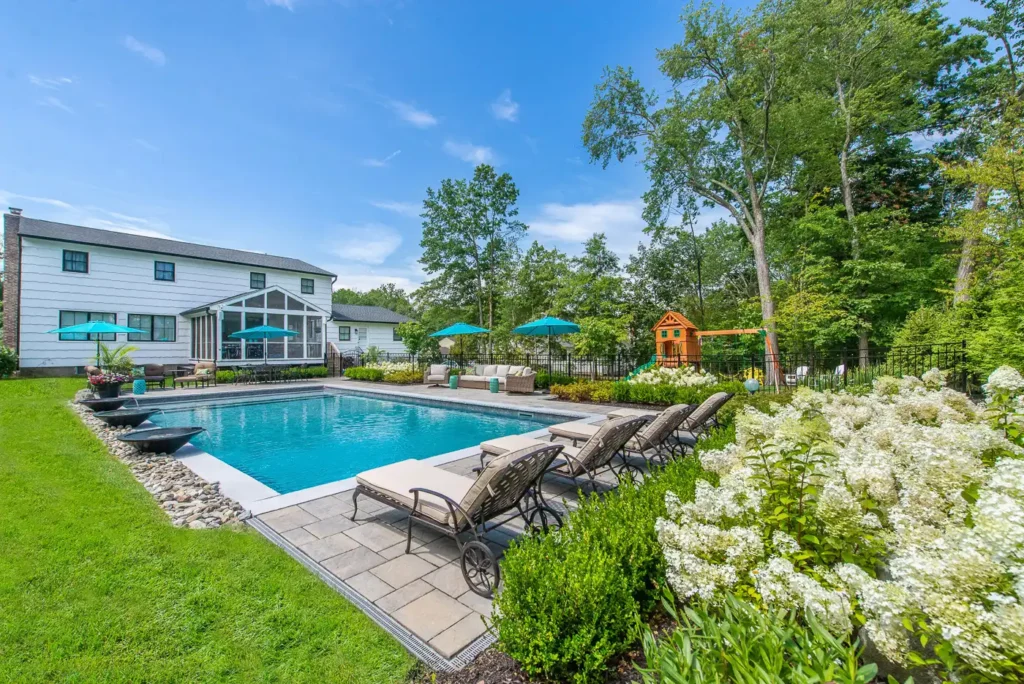
Crafting The Blueprint of Beauty
Great landscapes start with a thoughtful blueprint. At CLC, we approach every project with careful intention, mapping out the details that bring structure, flow, and personality to your outdoor space. From layout to material selection, our planning process ensures each element works in harmony, resulting in a backyard that’s as functional as it is beautiful.
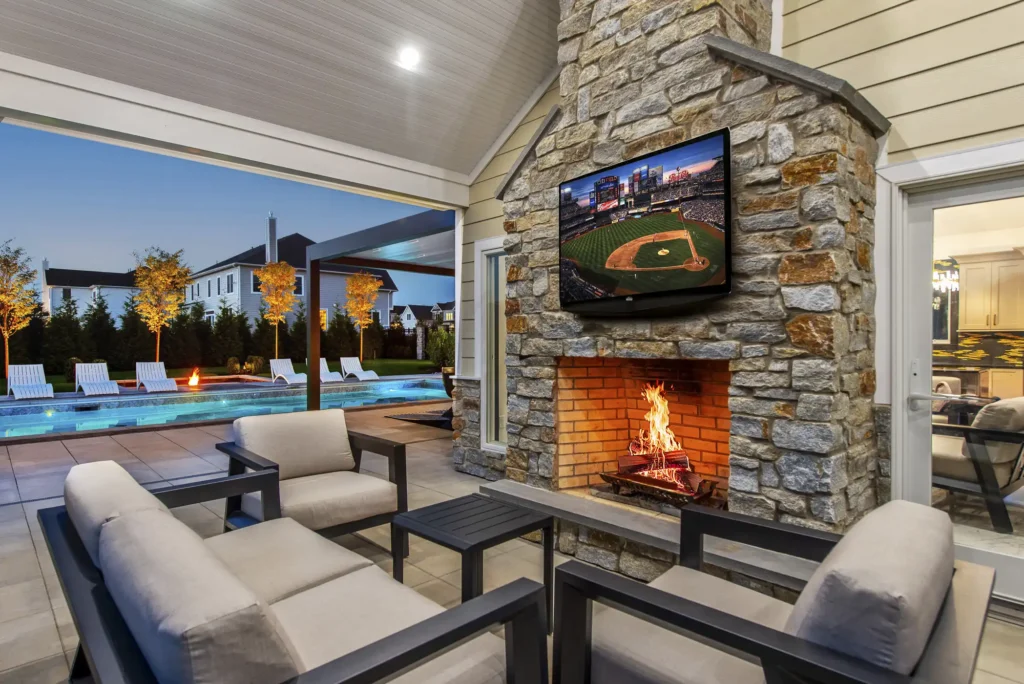
Built for Beauty, Made to Last
What we create is more than just beautiful — it's built to endure. Our clients often reflect on the joy of watching their landscape take shape, knowing every stone, wall, and walkway was designed with purpose and permanence.
The result is a space that blends elegance with strength — a lasting expression of craftsmanship and care.
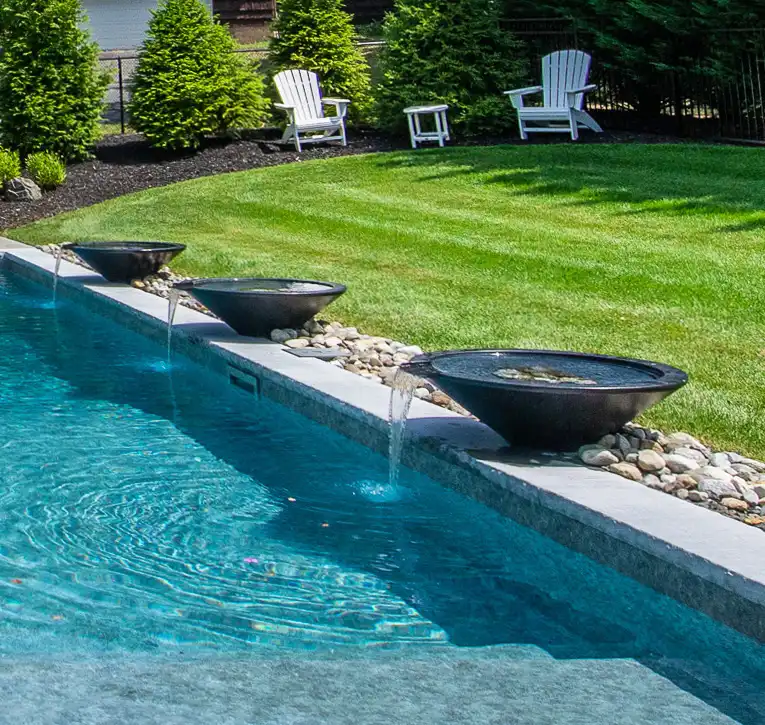
Where Beauty Becomes Lifestyle
The joy of our profession lies in shaping outdoor spaces that elevate everyday living. Our clients often share how much they enjoy the journey — from envisioning their ideal landscape to seeing it brought to life.
Many have written us to express the pride and pleasure they feel in a space that’s not just beautiful, but woven into the rhythm of their lifestyle.
Every Custom Swimming Pool Starts With a Thoughtful Design Plan
Since 1973, CLC Landscape Design has delivered custom swimming pool design in New Jersey,
carefully integrating each pool into a complete outdoor living environment.
View Our 2026-2027 Lookbook
Hear from homeowners across New Jersey who turned their outdoor dreams into reality with CLC Landscape Design.
CLC is dedicated to exceeding our clients’ expectations through superior design, honest long term relationships,
and a commitment to implementing superlative landscapes in a fun and easy manner.
“CLC Landscaping was contracted to do our backyard project, including a pool with a waterfall., landscaping, two new decks, new fencing, landscape lighting, new patio and a fire pit. Every contractor that they utilized was great. The project took longer than anticipated, due to inclement weather, but CLC made the deadline. Rich Jr., Rich Sr., and everyone who worked on this project were great. We will use them again for sure. We even had Rich Jr. over for our new pool party to show off his work.”
– Steve & Cathy, Franklin Lakes, NJ

“Stan and I would like to thank you and you team for our beautiful patio and the landscaping of our garden. It is absolutely fantastic. I go outside every morning before work to admire it and we’re both outside in the evening. I appreciate all of the effort, attention, and care that were devoted to both projects – especially during one of the hottest weeks of the year! It was a pleasure to work with CLC. I would like to ask you to maintain our landscaped area and do whatever is recommended to keep it growing and looking beautiful. Thank you again from both of us.”
– Angela and Stan, Wayne, NJ